






Breathing exercises for instant calm
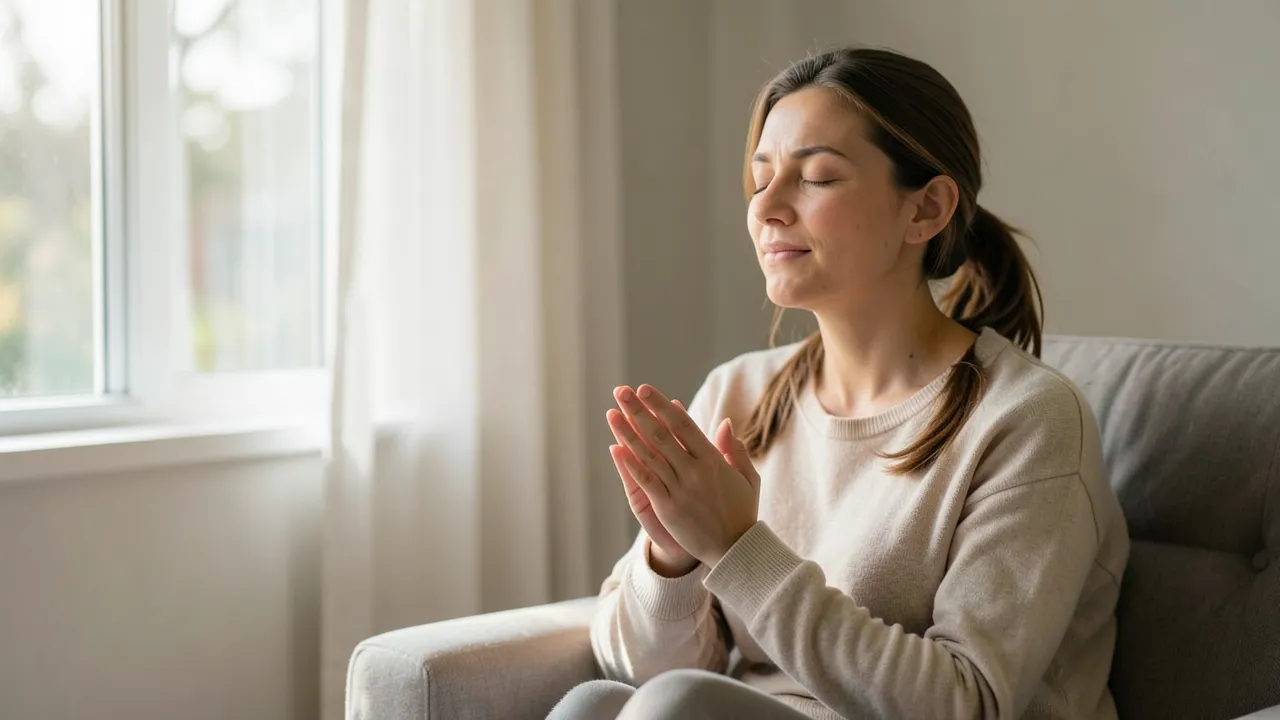
Breathing exercises can change the way your body responds to stress within minutes. When anxiety rises, your breathing often becomes shallow, fast, and uneven, which can intensify tension and make thoughts feel harder to manage. By slowing and guiding your breath, you give your nervous system a clearer signal that the immediate threat has passed. That shift does not solve every source of stress, but it can create enough calm to think more clearly, steady your body, and regain a sense of control.
Why breathing can calm your body so quickly
Your breath is one of the few automatic functions you can also influence consciously. That makes it a practical bridge between your mind and body. When you breathe slowly and evenly, your heart rate may begin to settle, muscle tension can ease, and the mind often feels less crowded.
The connection between breath and the nervous system
Stress tends to activate the body’s alert response. If that state lingers, your breathing often becomes higher in the chest and less efficient. A deliberate breathing pattern can interrupt that loop. People who want a broader view of how stress affects the body may also find PTSD, trauma and the nervous system explained helpful, because it shows why the body can react so strongly even when the danger is no longer present.
A useful way to think about breathing is this: slower exhalations often help the body shift out of alarm mode. You are not forcing relaxation; you are creating conditions that make it easier to arrive there.
A simple breathing pattern for immediate relief
Not every technique needs to be complex. When you want something you can use at work, on public transport, or before a difficult conversation, a straightforward pattern is often best.
Try the 4-6 breath
Inhale gently through your nose for a count of four. Then exhale for a count of six. Repeat this for five to ten cycles. The longer exhale helps your body downshift, while the inhale stays comfortable rather than strained.
If counting feels distracting, use a soft rhythm instead. Aim for a smooth, quiet breath in and an even longer breath out. The goal is steadiness, not perfection. A few uneven breaths are fine; what matters is returning to the pattern.
When to use it
Use this method before an email you are nervous to send, after a tense meeting, or when you notice your chest tightening. Even two minutes can make a difference. If you practise it regularly, your body may begin to recognise the pattern faster, which can make it easier to settle during stressful moments.
How to make breathing exercises more effective
Breathing alone works best when you also reduce the signals that keep your system activated. Your posture, jaw tension, and environment all influence how safe or strained you feel.
Adjust your posture and surroundings
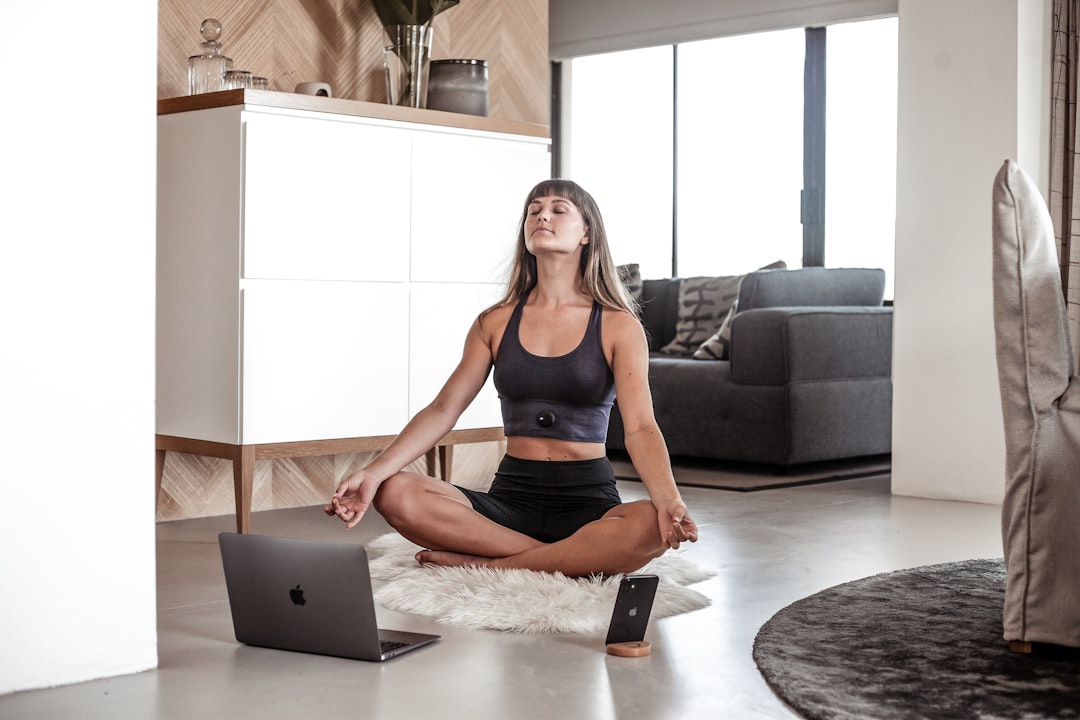
Sit with your feet on the floor or stand with your weight evenly distributed. Let your shoulders soften. If possible, move to a quieter space or look at a fixed point in the room. These small changes can reduce the sense of urgency and help your breath deepen naturally.
You may also notice that certain thoughts keep your body tense. If that happens, try naming the thought without following it. For example: “I am having the thought that I cannot cope.” This creates a little distance, which can make the breathing exercise easier to sustain.
Keep the practice short and repeatable
A short routine used often is usually more helpful than a long routine used rarely. Many people do better with one or two minutes several times a day than with a single ten-minute session only when overwhelmed. Over time, the body learns the pattern and starts to settle more quickly.
Those who want to understand how thoughts, feelings, and behaviours interact may find Understanding the CBT Cycle for Anxiety and Depression useful alongside breathing practice, since both approaches support a calmer response to stress.
Which breathing techniques suit different moments
Different situations call for slightly different methods. Some are better for quick calm, while others help if you feel agitated or disconnected.
Box breathing for focus
Box breathing uses equal counts for each part of the breath: inhale, hold, exhale, hold. A common version is four counts each. This can be useful when you need concentration as well as calm. The structure gives your mind something simple to follow, which can reduce mental clutter.
Extended exhale breathing for strong tension
If your stress feels intense, the extended exhale pattern is often more soothing than techniques with breath holds. You simply make the out-breath longer than the in-breath. This is a gentle option if you are already feeling overwhelmed.
Belly breathing for physical ease
Place one hand on your chest and one on your abdomen. As you inhale, let the lower hand rise more than the upper hand. This encourages the diaphragm to do more of the work. Over time, many people find belly breathing feels more natural and less effortful than chest breathing.
How breathing fits with longer-term stress management
Breathing exercises are a fast tool, but they also support broader change. When used regularly, they can help you notice stress earlier, before it builds into full overwhelm. That awareness can make it easier to respond with healthier choices, such as taking a break, setting a boundary, or asking for support.
If your stress is tied to work pressures, coaching approaches can also help you make changes that are practical and sustainable. For that angle, Solution Focused Brief Therapy for Workplace Coaching offers a useful perspective on moving from pressure to action without getting stuck in the problem.
What to remember when you practise
A breathing exercise should feel supportive, not punishing. If you push too hard or try to control every breath, you may become more tense. A lighter touch is usually better. Let the body lead, and keep the method simple enough that you can repeat it anywhere.
- Use a longer exhale to encourage calm.
- Keep your shoulders, jaw, and hands relaxed.
- Practise for short periods several times a day.
- Choose the method that matches your situation.
- Pair breathing with a practical next step when needed.
- Notice progress in smaller signals, such as less tightness or steadier attention.
A calmer response can begin with one breath
When stress rises suddenly, you do not always need a complex solution. A few minutes of mindful breathing can create enough space for your body to settle and your thoughts to become more usable. With regular practice, these exercises can become a reliable first response, helping you move through tense moments with greater ease and confidence.