






How caffeine can affect anxiety symptoms

Caffeine can sharpen alertness, improve reaction time and make a demanding morning feel more manageable. For people who experience anxiety, however, the same stimulant may amplify physical sensations that resemble panic or persistent worry. A racing heart, trembling hands, restlessness and disrupted sleep can all make anxiety feel more intense. Understanding your personal response can help you make choices that support steadier energy and a calmer nervous system.
Caffeine can activate the body’s stress response
Caffeine works primarily by blocking adenosine, a brain chemical that helps promote sleepiness and relaxation. As adenosine is blocked, the brain becomes more alert. Caffeine can also increase adrenaline activity, which may raise heart rate, blood pressure and muscle tension.
These changes are not automatically harmful. Many people tolerate moderate amounts of caffeine without difficulty. Yet if you are prone to anxiety, your body may interpret the sensations of stimulation as signs of danger. A faster heartbeat after coffee may trigger thoughts such as, “Something is wrong,” which can increase fear and further intensify the physical response.
Caffeine does not cause every case of anxiety, but it can worsen symptoms in people who are sensitive to stimulants. The effect may be stronger when you are already under stress, have not eaten enough, are dehydrated or have slept poorly.
Common caffeine-related symptoms include:
- Feeling jittery, tense or unusually irritable
- Experiencing a rapid heartbeat or palpitations
- Finding it difficult to concentrate because your thoughts feel hurried
- Feeling on edge in social, work or family situations
- Having trouble falling asleep or waking repeatedly during the night
- Noticing panic-like sensations, including shortness of breath or dizziness
Your dose and timing shape the anxiety effect
Caffeine sensitivity differs greatly from one person to another. One person may drink several cups of coffee and feel normal, while another may feel distressed after a single espresso. Genetics, body size, medication use, hormonal changes, health conditions and regular caffeine intake can all influence your response.
Coffee is not the only source to consider. Tea, energy drinks, cola, pre-workout products, chocolate and some headache medicines may contain caffeine. Energy drinks deserve particular attention because they can contain high doses, added sugar and other stimulants that make it harder to judge your total intake.
The timing of caffeine also matters. Its effects can persist for hours, and an afternoon coffee may interfere with sleep even when you fall asleep at your usual time. Poor sleep can lower your ability to regulate emotions the following day, creating a cycle of fatigue, extra caffeine and heightened anxiety.
You may benefit from tracking when you consume caffeine, how much you have and how you feel over the next several hours. Include sleep quality, meals and stressful events in your notes. This can reveal whether a particular drink, dose or time of day is linked with symptoms.
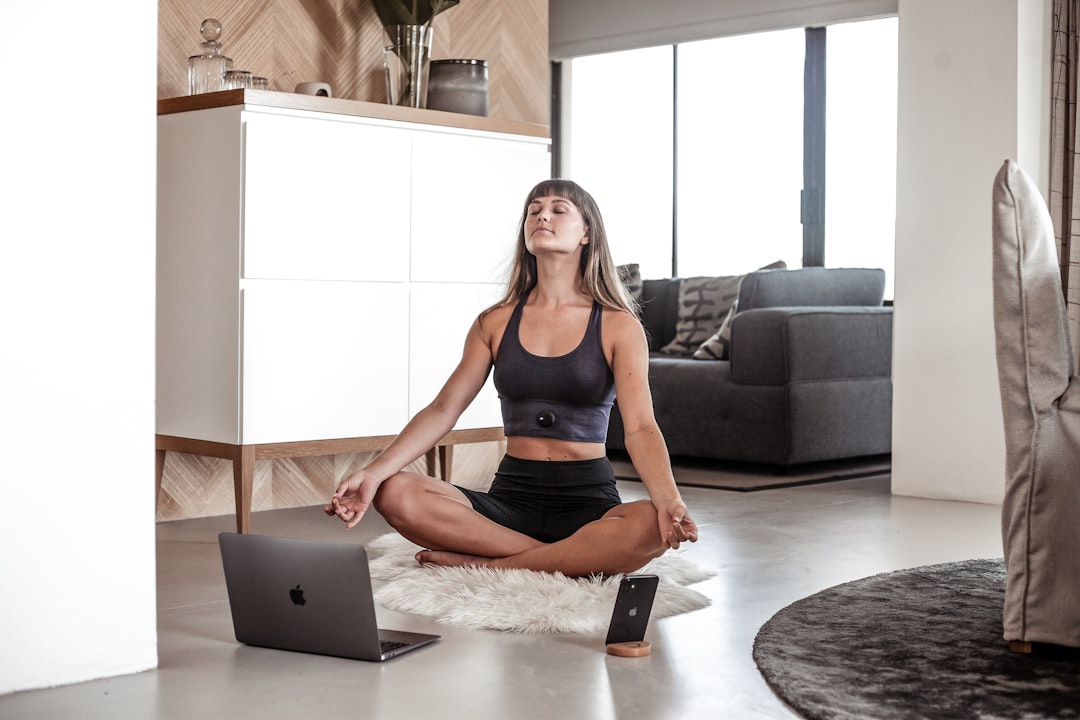
When physical anxiety begins to rise, simple regulation practices may help interrupt the escalation. Breathing exercises for instant calm can offer practical techniques for slowing your breathing and settling the body’s alarm response.
Reducing caffeine gradually can prevent withdrawal discomfort
If you suspect caffeine is contributing to anxiety, stopping suddenly may not be the most comfortable approach. Regular caffeine use can lead to withdrawal symptoms such as headaches, fatigue, low mood and difficulty concentrating. These symptoms are temporary, but they can be unpleasant and may be mistaken for worsening anxiety.
A gradual reduction is often easier. You could reduce your usual coffee by half a cup every few days, choose a smaller serving or combine regular and decaffeinated coffee. Replacing one caffeinated drink with herbal tea, water or decaf can also lower your intake without changing every part of your routine at once.
A gradual approach gives you clearer information about your tolerance. If your sleep improves, your heart feels less reactive or you notice fewer anxious thoughts, caffeine may have been adding to your symptoms. If there is little change, other factors may deserve more attention.
Try to avoid compensating for reduced caffeine with large amounts of sugar or irregular meals. Stable meals with protein, fibre and fluids can support more even energy throughout the day. Gentle movement, daylight exposure and regular sleep times may also reduce the urge to rely on stimulants.
Anxiety thoughts can make caffeine sensations feel more threatening
The relationship between caffeine and anxiety is not only physical. Anxiety often involves heightened attention to bodily sensations. Once you notice a fluttering heart or shaky hands, you may monitor those sensations closely. That monitoring can make them seem stronger and more alarming.
A useful first step is to name what is happening in a neutral way: “I have had caffeine, and my body feels activated.” You do not need to dismiss your symptoms, but you can avoid immediately treating them as proof of danger. Sitting down, drinking water, eating something nourishing and using slow breathing can help the sensations pass more comfortably.
If anxiety is linked to a pattern of reassurance seeking, avoidance or repetitive checking, structured psychological support may be helpful. How to set healthy emotional boundaries can also be useful when stress from relationships leaves you more vulnerable to anxious arousal and reliance on caffeine.
Persistent anxiety may need professional support
Reducing caffeine can be a helpful adjustment, but it is not a replacement for medical or psychological care when symptoms are severe, frequent or disruptive. Speak with a healthcare professional if you experience recurring panic attacks, chest pain, fainting, persistent insomnia or anxiety that affects work, relationships or daily activities.
Caffeine may be particularly worth discussing with a clinician if you take medication for anxiety, ADHD, asthma, heart conditions or thyroid problems. Some medicines and health conditions can change how your body responds to stimulants.
For people living with obsessive-compulsive disorder, anxiety can be maintained by compulsions and avoidance rather than caffeine alone. ERP for OCD: exposure therapy to reduce compulsions describes a treatment approach designed to address that cycle directly.
A calmer caffeine routine can support your wellbeing
You do not necessarily need to give up coffee or tea forever. The goal is to find an amount and schedule that allow you to enjoy caffeine without regularly provoking distress. For some people, this means one morning drink with food. For others, decaffeinated alternatives or avoiding energy drinks provides a more comfortable balance.
Key points to remember:
- Caffeine can intensify physical symptoms associated with anxiety, including rapid heartbeat and restlessness.
- Sensitivity depends on dose, timing, sleep, stress levels and individual biology.
- Gradual reduction can limit withdrawal symptoms and reveal your personal tolerance.
- Sleep disruption can create a cycle that increases both fatigue and anxiety.
- Ongoing, distressing or medically concerning symptoms warrant professional advice.