Creating a calmer home with sensory-friendly flooring
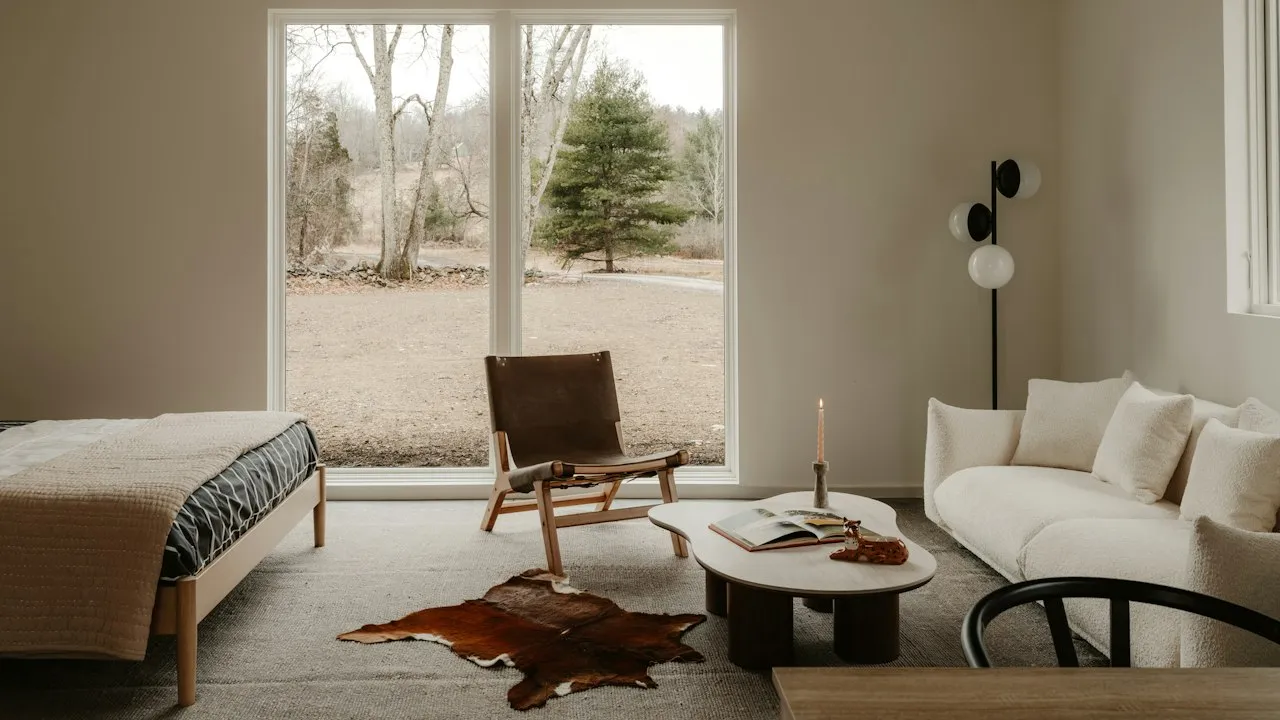
A renovation can change more than the appearance of a home. Underfoot, the chosen surface influences the sounds you hear, the light you see, the effort required for cleaning, and the sense of continuity between rooms. For a wellbeing-focused household, flooring is not a treatment or a guarantee of better mental health. It is, however, a practical part of creating an environment that feels less noisy, less visually demanding, and easier to live with.
Start with the existing floor and the way each room is used
Before selecting a finish, assess the base beneath it. A sound substrate is the starting point for a durable result, whether you plan to install wood, tile, vinyl, resin, or decorative concrete. Check for cracks, uneven areas, rising moisture, poor adhesion from previous coverings, and differences in height between adjacent rooms.
The room’s daily use also shapes the right choice. A busy kitchen needs a surface that tolerates spills and frequent cleaning. An entrance hall benefits from resistance to grit and wet shoes. Bedrooms may call for warmth and reduced footfall noise, while bathrooms and utility spaces need dependable moisture performance.
For practical guidance on levelling compounds, surface preparation, polished finishes, and durable renovation systems, consult floor renovation tips. A flooring renovation specialist can evaluate the screed or concrete slab, identify moisture risks, and recommend compatible primers or protective sealers. This technical preparation helps prevent problems such as lifting, cracking, staining, or an uneven final appearance.
“A calmer room is often built from choices that remove small daily irritations.”
Sound, texture and light shape everyday sensory comfort
Hard floors can be attractive and durable, but they may amplify footsteps, dropped objects, and chair movement. Sound does not depend on the floor alone: wall finishes, curtains, rugs, furniture, and ceiling treatments all contribute. Still, choosing a flooring system with acoustic underlay or a naturally softer surface can reduce sharp impact noise.
Softer surfaces can reduce footfall noise
Carpet remains one of the strongest options for absorbing sound in bedrooms, upstairs corridors, and quiet work areas. It can feel comfortable underfoot, although it requires regular vacuuming and may be less suitable for households dealing with heavy allergies, pets, or frequent spills.
Cork offers a resilient alternative with a warm feel and modest acoustic benefits. Quality, sealing, and installation matter, particularly in kitchens or spaces exposed to moisture. Luxury vinyl tile and sheet vinyl can also provide a quieter walking experience than ceramic tile, especially when fitted over an appropriate underlay.
Texture affects comfort and cleaning
A highly textured surface can create visual depth and improved slip resistance, but deep grooves may hold dust and dirt. For a home where low-effort upkeep supports a calmer routine, favour finishes that can be swept or mopped without special products or intensive scrubbing.
Matte finishes generally soften reflected light and conceal minor marks better than highly glossy surfaces. A glossy polished floor can be striking in a bright, uncluttered room, but it may show smudges, footprints, and strong reflections. Consider daylight direction, window size, and the amount of artificial lighting before choosing the sheen level.
Decorative concrete can create a calm and continuous backdrop
Decorative concrete floors offer a broad range of appearances, from softly clouded mineral tones to finely polished surfaces. They can be applied as a renovation overlay where the existing substrate is stable and properly prepared, avoiding the need for a complete demolition in some projects.
Their visual strength lies in continuity. A seamless floor with restrained colour variation can make a living room, kitchen, and hallway feel connected rather than fragmented. This may suit interiors that rely on natural materials, minimal furniture, or neutral colour palettes. For greater comfort, use rugs in seating areas and bedrooms, particularly where bare concrete could feel cool or acoustically lively.
A polished concrete finish is durable, but its suitability depends on the intended use. It may need periodic resealing, especially in areas exposed to water, food spills, or outdoor dirt. Ask your installer about stain resistance, slip rating, repair options, and the maintenance routine before committing to a specific system.
Plan transitions carefully from rooms to outdoor spaces
Continuous indoor outdoor flooring can make a terrace, courtyard, or garden threshold feel more open. The visual connection is appealing, but exterior conditions differ sharply from interior ones. Rain, frost, UV exposure, drainage, and slip resistance must guide the outdoor specification.
You may use related tones and formats rather than exactly the same material. For example, an interior decorative concrete floor can meet a slip-resistant exterior concrete finish in a compatible colour. Porcelain tiles can also run from a kitchen to a terrace, provided the outdoor version has the required grip and weather resistance.
Pay close attention to thresholds and finished floor levels. Water must drain away from the building, and door openings need sufficient clearance. A well-designed transition should avoid abrupt lips or awkward changes in height, which can disrupt movement and create trip hazards.
These choices can support a calmer flooring renovation
When comparing options, use the following points to keep the decision grounded in everyday use:
- Assess the condition and moisture level of the substrate before choosing a covering.
- Match the finish to traffic, spills, pets, footwear, and cleaning habits.
- Use acoustic underlay, rugs, or softer materials where footfall noise is a concern.
- Choose matte or low-sheen finishes when glare and visible marks feel distracting.
- Consider decorative concrete for durable, visually continuous interior surfaces.
- Specify separate outdoor performance requirements for terraces and garden paths.
- Request maintenance instructions, slip ratings, and product compatibility in writing.
A calmer home starts with the floor beneath you
The best floor is not necessarily the most fashionable or the most expensive. It is the one that suits your home’s structure, your daily routines, and the sensory atmosphere you want to maintain. By balancing noise control, tactile comfort, light reflection, durability, and upkeep, you can create rooms that feel composed and practical for years to come.